

10 Proven Tips for Better Sleep and Improved Wellness
In today’s fast-paced world, sleep often takes a backseat to work, social commitments, and endless screen time. Yet, quality sleep is the cornerstone of overall health and wellness. This article delves into actionable tips to help you achieve restful sleep and boost your well-being.
1. Stick to a Consistent Sleep Schedule
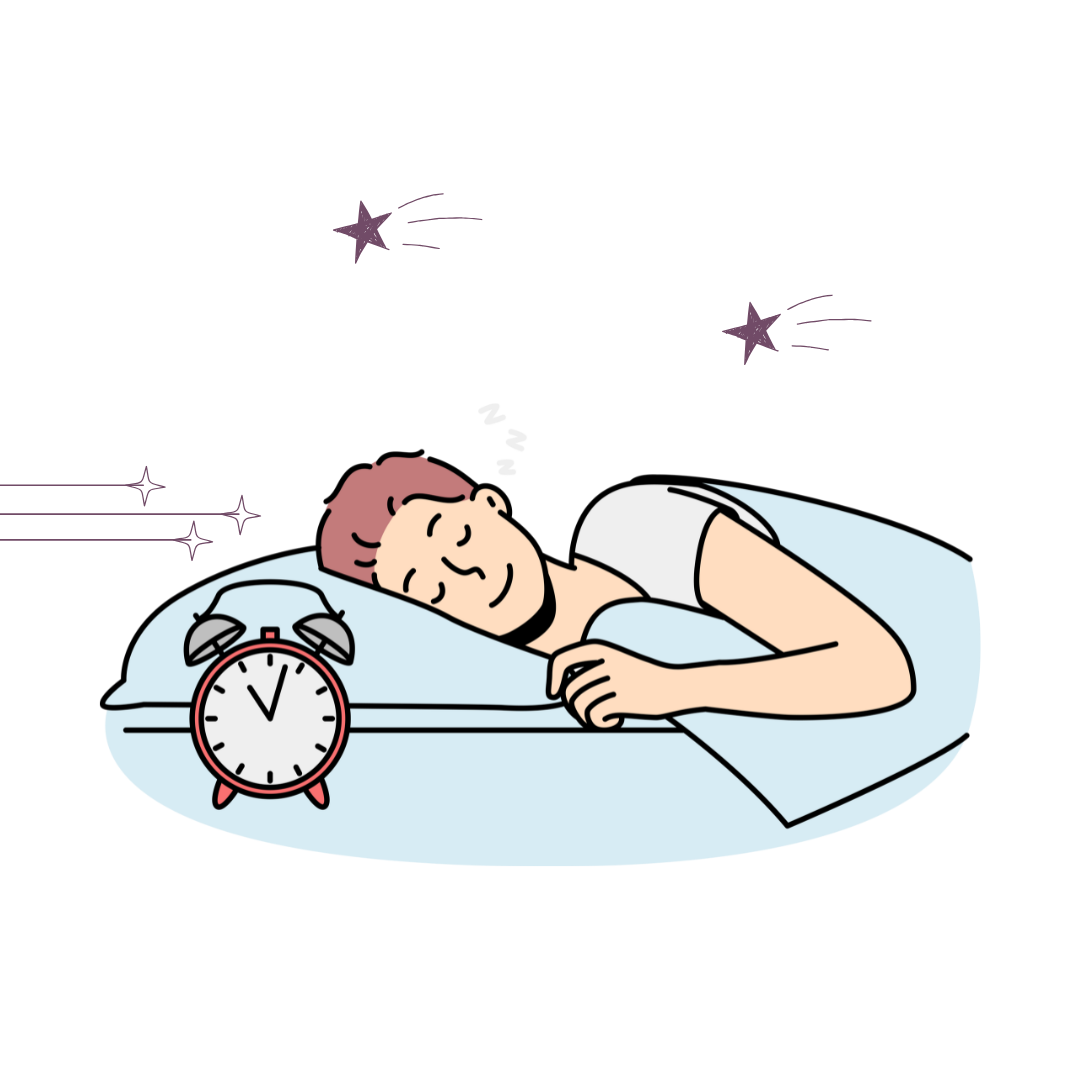
Your body thrives on routine. Going to bed and waking up at the same time every day, even on weekends, helps regulate your internal clock. This consistency makes falling asleep and waking up easier, reducing grogginess.
2. Create a Sleep-Friendly Environment
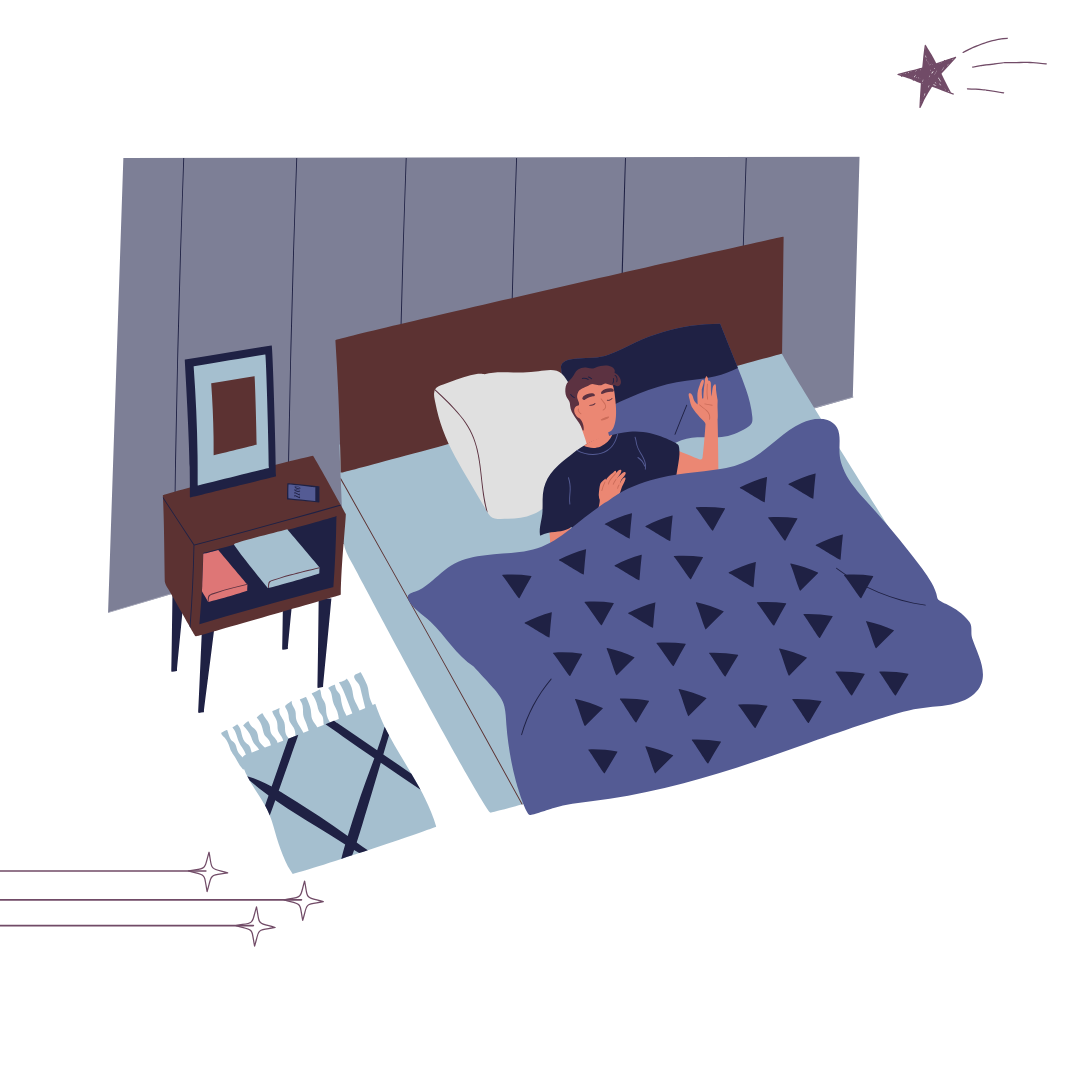
Your bedroom should be a sanctuary for rest. Keep it dark, quiet, and cool. Investing in blackout curtains, white noise machines, or comfortable bedding can make a significant difference.
3. Limit Blue Light Exposure Before Bed

The blue light from screens can suppress melatonin production, making it harder to fall asleep. Avoid screens for at least an hour before bedtime. If you must use devices, consider blue light-blocking glasses.
4. Avoid Heavy Meals
Avoid heavy meals, caffeine, and alcohol close to bedtime. While a nightcap might make you feel drowsy, it can disrupt your sleep cycle later in the night.
5. Incorporate Relaxation Techniques
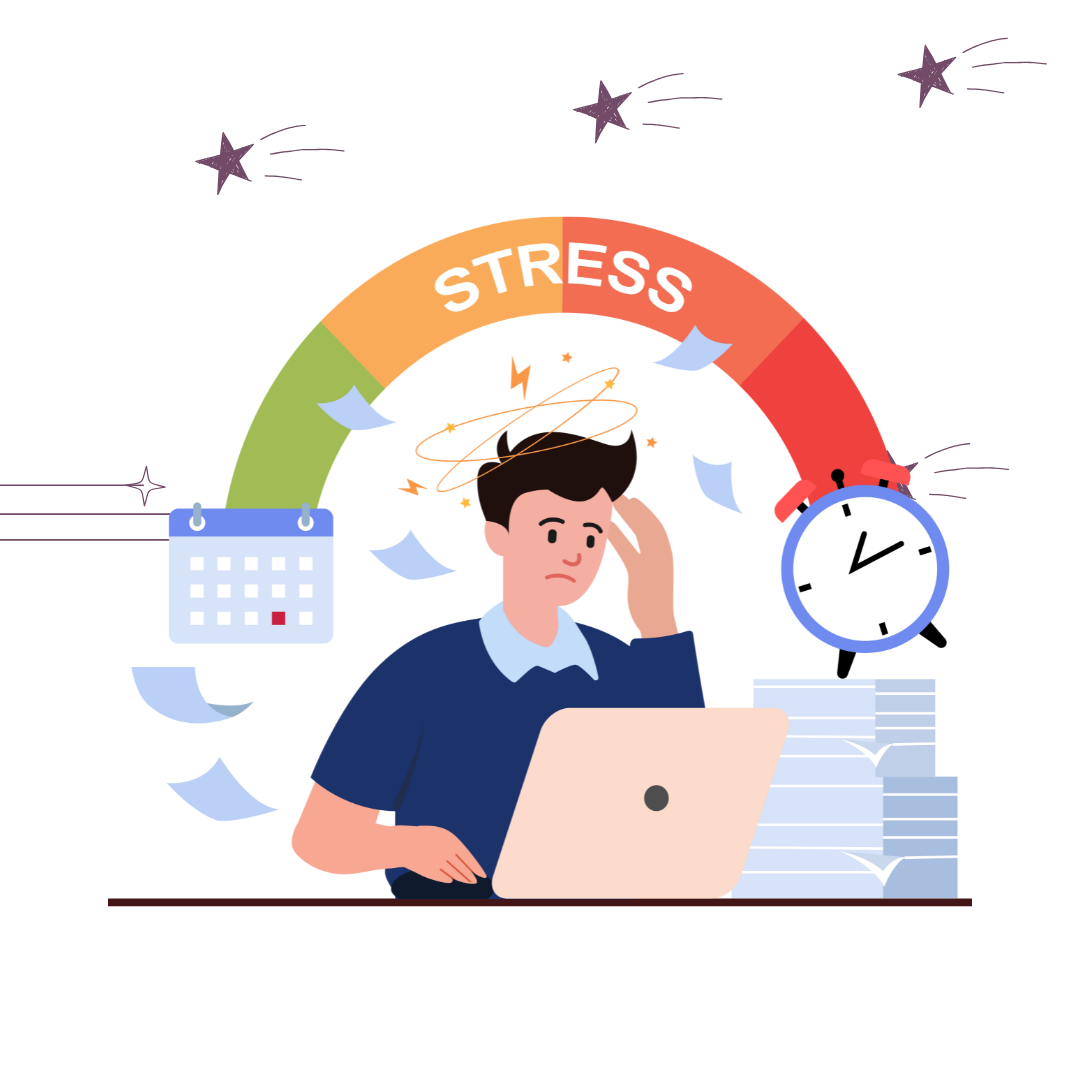
Stress is a common sleep disruptor. Practice relaxation techniques such as deep breathing, meditation, or gentle yoga before bed to calm your mind and prepare your body for rest.
6. Get Natural Light During the Day

Exposure to natural sunlight helps regulate your sleep-wake cycle. Spend at least 20–30 minutes outdoors each day, especially in the morning.
7. Limit Naps

While short power naps can be refreshing, long or irregular naps during the day can interfere with nighttime sleep. Keep naps to 20–30 minutes and avoid napping late in the day.
8. Exercise Regularly

Physical activity promotes better sleep by reducing stress and anxiety. Aim for at least 30 minutes of moderate exercise most days of the week, but avoid vigorous workouts close to bedtime.
9. Address Sleep Disorders
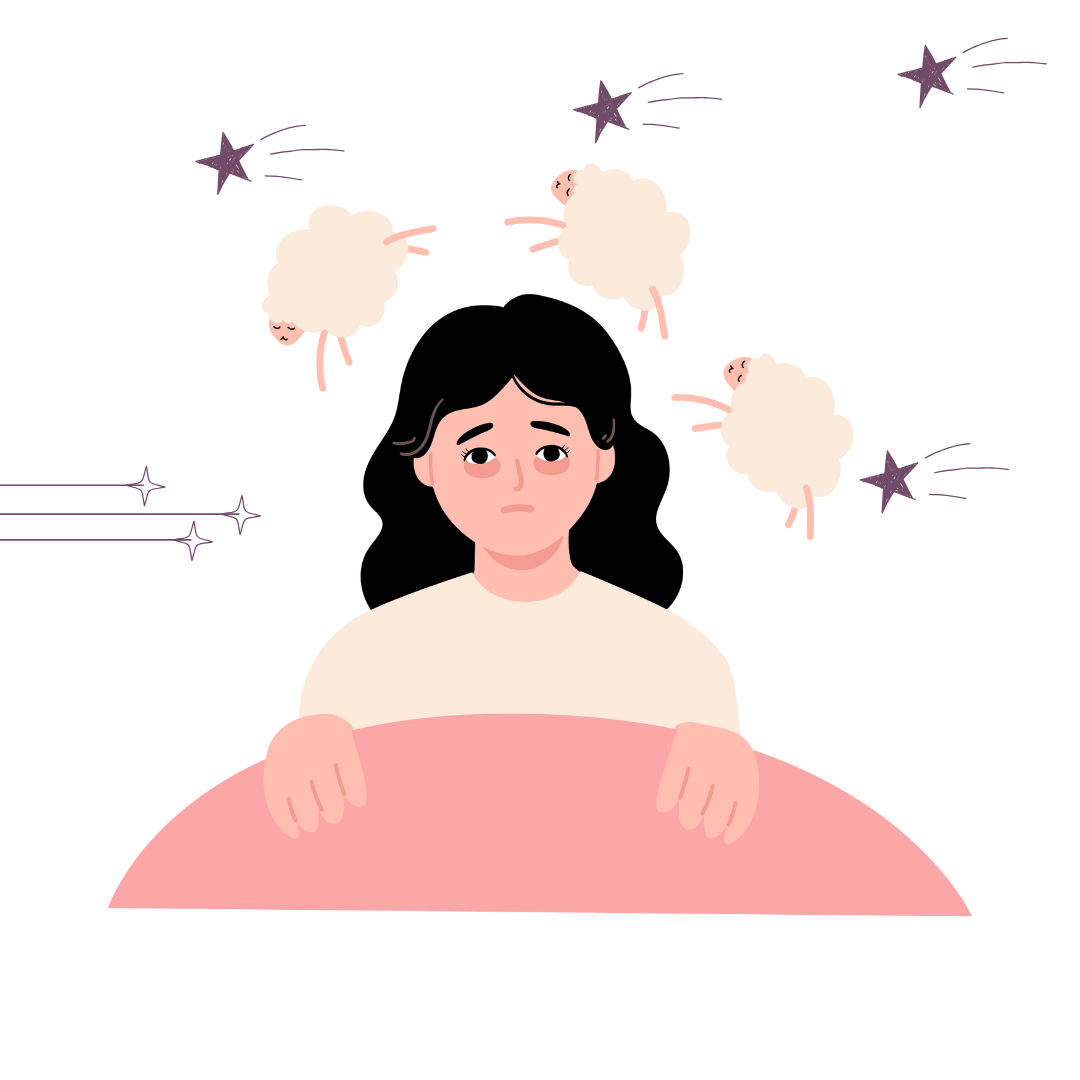
If you consistently struggle with sleep despite trying these tips, consult a healthcare professional. Conditions like sleep apnea or insomnia might require specialized treatment.
10. Keep a Sleep Journal
Track your sleep patterns, habits, and any disruptions. This can help you identify triggers and find effective solutions for better rest.
FAQs About Sleep and Wellness
1. How many hours of sleep do adults need?
Adults typically need 7–9 hours of quality sleep per night to function optimally. However, individual needs may vary slightly.
2. Why is sleep important for wellness?
Sleep plays a vital role in physical health, emotional well-being, and cognitive function. It helps the body repair itself, strengthens the immune system, and supports memory and learning.
3. What foods can improve sleep quality?
Foods rich in magnesium, tryptophan, and melatonin, such as bananas, almonds, cherries, and oatmeal, can help promote better sleep.
4. Can poor sleep affect mental health?
Yes, insufficient sleep is linked to increased stress, anxiety, and depression. It also impairs focus and decision-making.
5. Is it normal to wake up during the night?
Brief awakenings during the night are normal. However, frequent or prolonged disruptions may indicate an underlying issue, such as stress, sleep apnea, or an uncomfortable sleeping environment.
6. How can I fall asleep faster?
Practices such as maintaining a consistent sleep schedule, engaging in relaxation techniques, and creating a comfortable sleep environment can help you fall asleep faster.
7. Are sleeping pills safe to use?
Sleeping pills can provide short-term relief for insomnia, but they should be used under medical supervision. Long-term use may lead to dependency and side effects.
8. How does exercise impact sleep?
Regular exercise helps improve sleep quality by reducing stress and promoting deeper sleep cycles. However, intense workouts close to bedtime may disrupt your ability to fall asleep.
9. Can drinking water before bed disrupt sleep?
Drinking excessive water before bed can lead to frequent trips to the bathroom, disrupting your sleep. It’s best to stay hydrated throughout the day and limit fluids in the evening.
10. What is the best bedtime routine?
An effective bedtime routine may include winding down with a book, practicing relaxation techniques, dimming lights, and avoiding screens for at least an hour before sleep.
The Wellness Connection
Quality sleep is directly linked to mental and physical health. By prioritizing your sleep hygiene, you can boost your immune system, enhance cognitive function, and improve your mood. Small changes in your daily routine can lead to profound benefits for your overall wellness.
